Blog
Adaptive music, in practice
Technique, Wwise/FMOD alternative comparisons, AI composition notes, and what we learn building game audio without middleware.
Filtering by #composition — clear
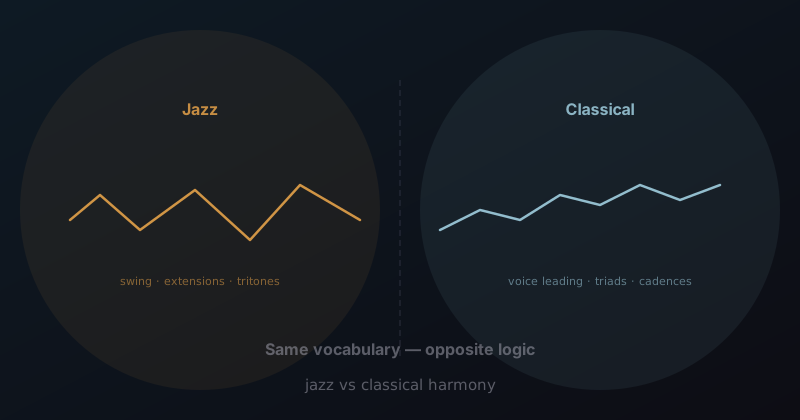
Jazz vs. Classical Harmony: How They Think About Chords Differently
Jazz and classical harmony both use seventh chords and functional progressions — but their underlying logic is almost opposite. Here's what separates them.
Autumn Walk: Composition Notes for a Bb Major Swing Piece
How the Mowjera Autumn Walk was built — the harmonic choices, the walking bass strategy, and why Bb major is the natural home of medium-swing jazz.
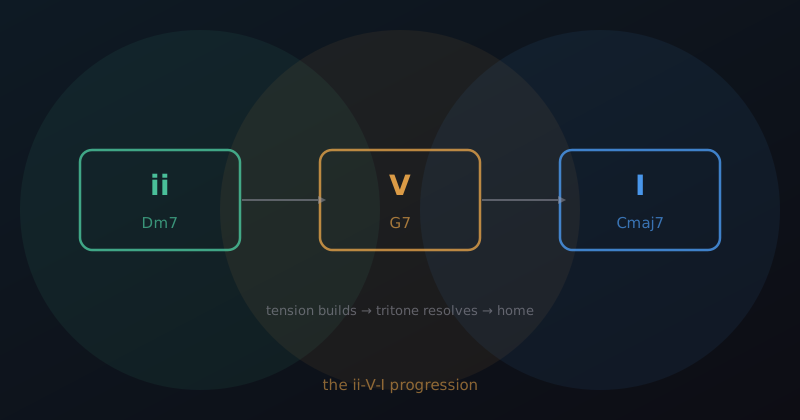
ii-V-I: The Three Chords That Define Jazz
Every jazz musician learns the ii-V-I progression on day one. Here's why it's so harmonically powerful — and why every style of jazz uses some version of it.
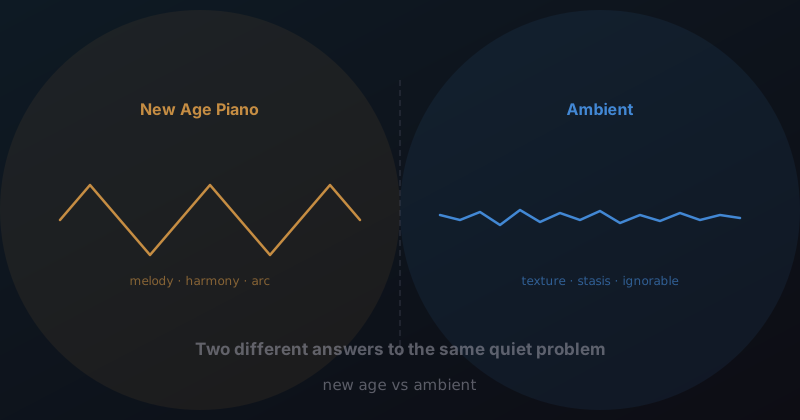
New Age vs Ambient: Understanding the Difference
New Age and ambient music are both calm, instrumental, and background-friendly — but compositionally they're doing different things. Here's the distinction that matters.
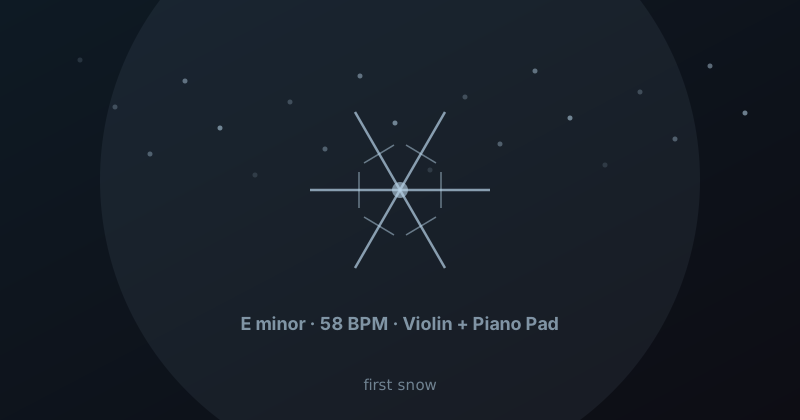
First Snow: Writing New Age Music in Minor Key Without Sadness
Most New Age piano is stubbornly major. Minor keys carry emotional weight that's hard to manage. Here's how First Snow stays in E minor without becoming a grief piece.

Cloud Dreamer: Why Bb Major Sounds Different from C Major
Key color — the idea that different keys have different emotional characters — is both real and contested. Here's what Bb major does that C major can't, and why Cloud Dreamer needed it.
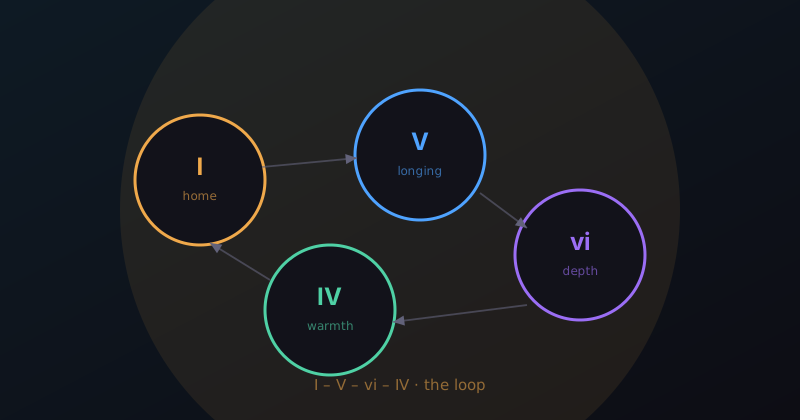
Why I–V–vi–IV Never Gets Old: The Harmony Behind New Age Piano
The I–V–vi–IV chord progression appears in thousands of pop songs and nearly every New Age piano piece — there's a neurological reason it works so well.
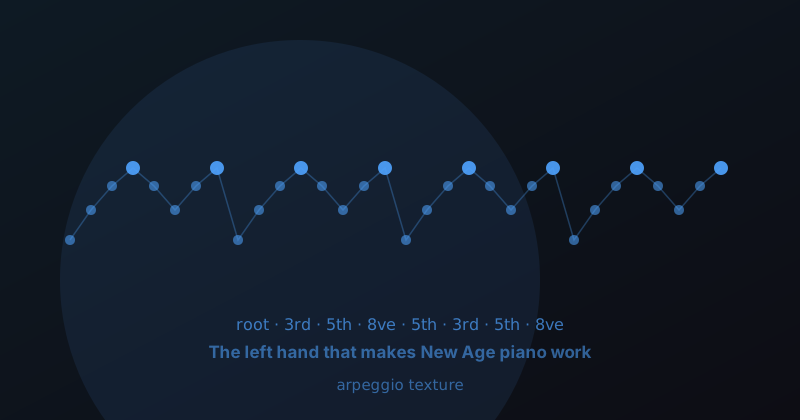
The Arpeggio as Meditation: Why the Left Hand Makes New Age Piano Work
In Kiraro's music, the right hand sings and the left hand breathes. The arpeggio pattern — root, third, fifth, octave — is not decoration. It's the reason the music feels the way it does.
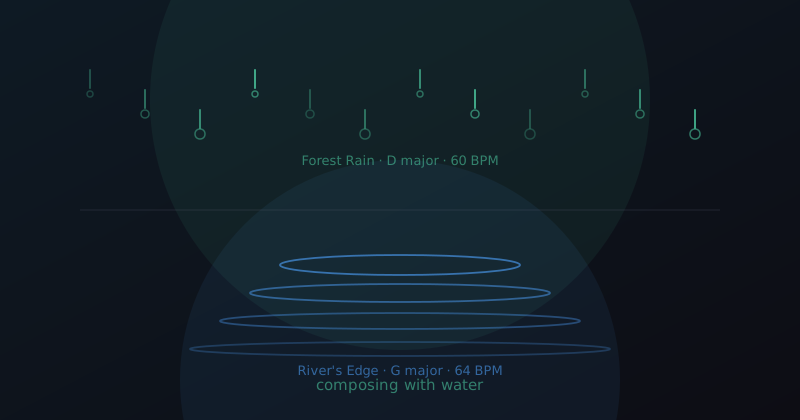
Forest Rain and River's Edge: Composing with Water in Mind
Two pieces in the New Age collection use water as a compositional model — one for rain, one for a river. They share an arpeggio texture but feel completely different. Here's why.
Hear what these posts talk about
Every technique here is live on the marketplace — adaptive states, AI drafts, real sampled instruments, playable demos.
Browse scores