Blog
Adaptive music, in practice
Technique, Wwise/FMOD alternative comparisons, AI composition notes, and what we learn building game audio without middleware.
Filtering by #composition — clear
How to Write a Melody That Sticks: 7 Practical Steps
Learn how to write a memorable melody with motif, contour, repetition, rhythm and tension, plus a worked four-bar example in note names and exercises.
Read the post →
Chord Progressions for Game Music: Loops That Work
Six proven chord progressions for game music with Roman numerals, concrete chords in two keys, the mood each creates and how to make them loop.
Boss Fight Music: How to Write It, Phase by Phase
Boss fight music guide: structure phases, escalate tempo and layers, pick a key and mode, and use stingers so every phase change lands on the beat.
Circle of Fifths Explained: A Guide for Composers
Learn how the circle of fifths maps key signatures, relative minors and smooth modulations, with a full table of all 12 major keys.
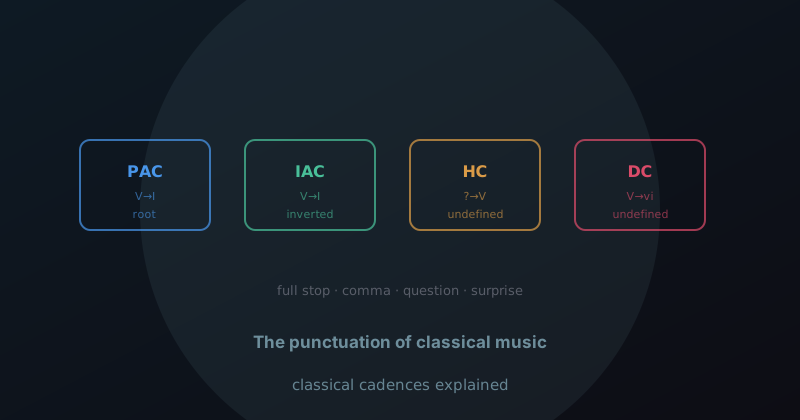
Classical Cadences: How Phrases End and Why It Matters
A cadence is how a musical phrase ends. Classical music has four main types, and each creates a different emotional effect. Understanding cadences is understanding classical grammar.
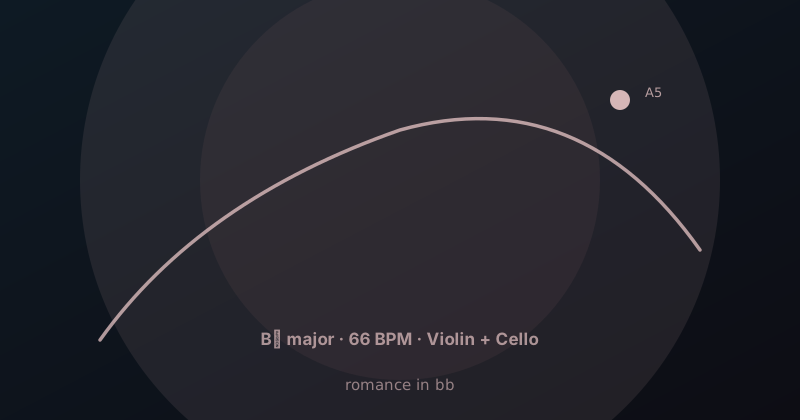
Romance in Bb: Writing a Lyrical Violin Melody
The Romance in Bb was built around a specific challenge: write a violin melody that feels genuinely warm and singable, not technically impressive. Here's how.
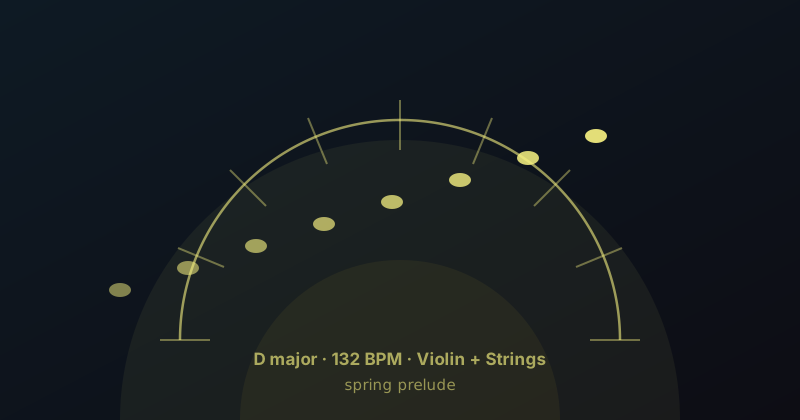
Spring Prelude: Composition Notes for a D Major Allegro
How the Mowjera Spring Prelude was constructed — the choice of D major, the scale run in bar 5, and why Allegro tempo reveals the character of the violin.
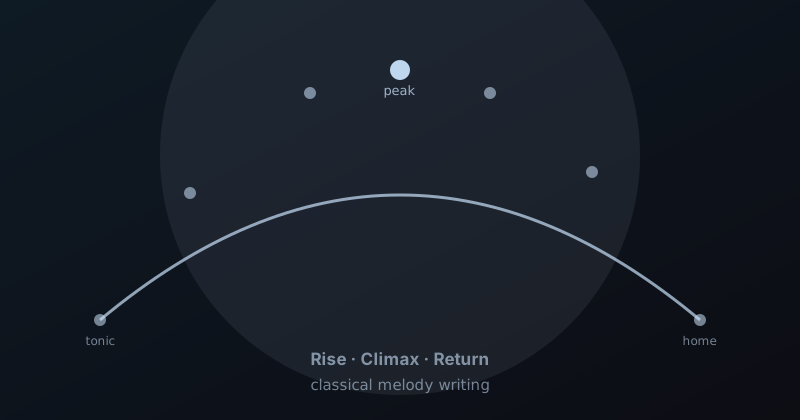
How Classical Melodies Are Built: Shape, Peak, and Return
The best classical melodies follow a structural logic that can be described but not fully explained. Here are the principles behind the melodies of Haydn, Mozart, and Beethoven.

Counterpoint and Voice Leading: The Hidden Rules of Classical Music
Classical harmony isn't just about what chord comes next — it's about how each voice moves. Counterpoint is the grammar beneath every Bach chorale and Beethoven sonata.
Hear what these posts talk about
Every technique here is live on the marketplace — adaptive states, AI drafts, real sampled instruments, playable demos.
Browse scores