Blog
Adaptive music, in practice
Technique, Wwise/FMOD alternative comparisons, AI composition notes, and what we learn building game audio without middleware.
Filtering by #technique — clear
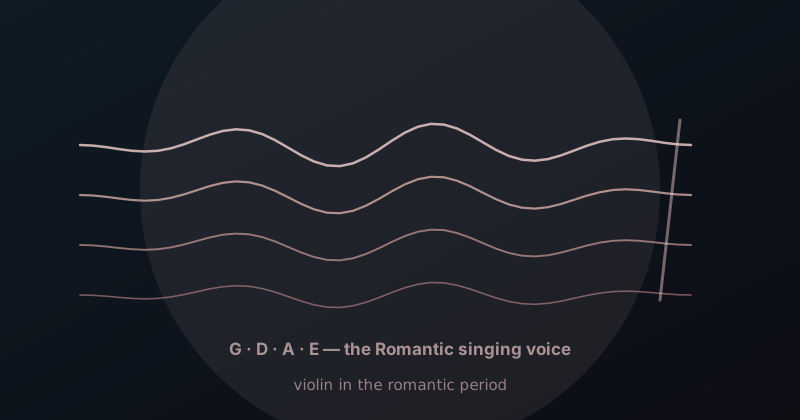
Violin in the Romantic Period: Why It Became the Singing Voice of the Orchestra
The violin dominated Romantic-era melody because its range, expressiveness, and ability to sustain notes made it the closest instrumental equivalent of the human voice.
Read the post →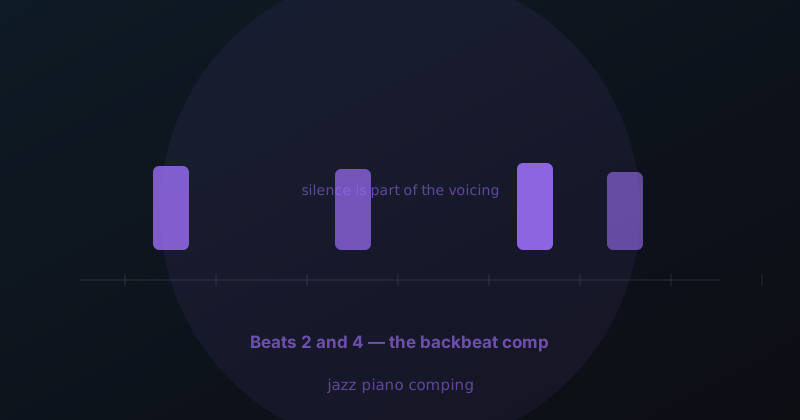
Comping: The Art of Not Playing Too Much
Jazz piano comping is one of music's most nuanced skills — knowing when to play, what to voice, and crucially, when to leave silence for the soloist.
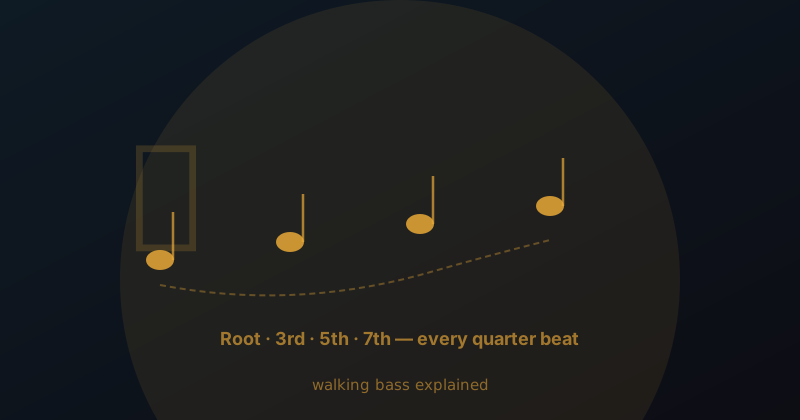
The Walking Bass Line: Jazz's Most Important Invention
The walking bass moves on every quarter beat, outlines chord tones, and creates forward momentum without a drummer. Here's how it works and why it matters.
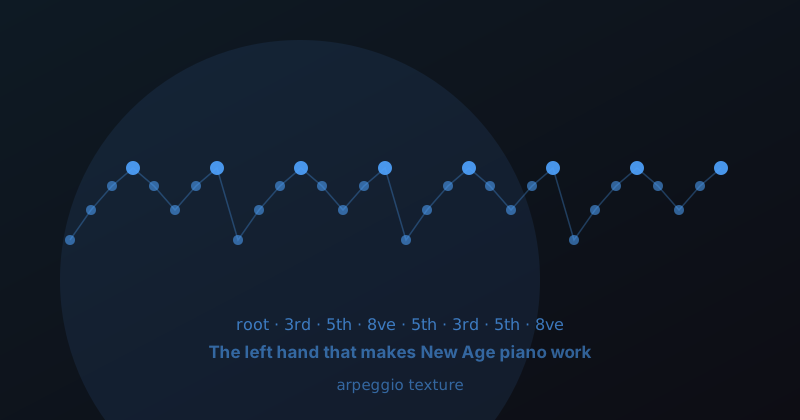
The Arpeggio as Meditation: Why the Left Hand Makes New Age Piano Work
In Kiraro's music, the right hand sings and the left hand breathes. The arpeggio pattern — root, third, fifth, octave — is not decoration. It's the reason the music feels the way it does.
Hear what these posts talk about
Every technique here is live on the marketplace — adaptive states, AI drafts, real sampled instruments, playable demos.
Browse scores