Blog
La musique adaptative, en pratique
Techniques audio, alternatives sans code à Wwise et FMOD, notes de composition IA, et ce que nous apprenons en créant l'audio de jeu sans middleware.
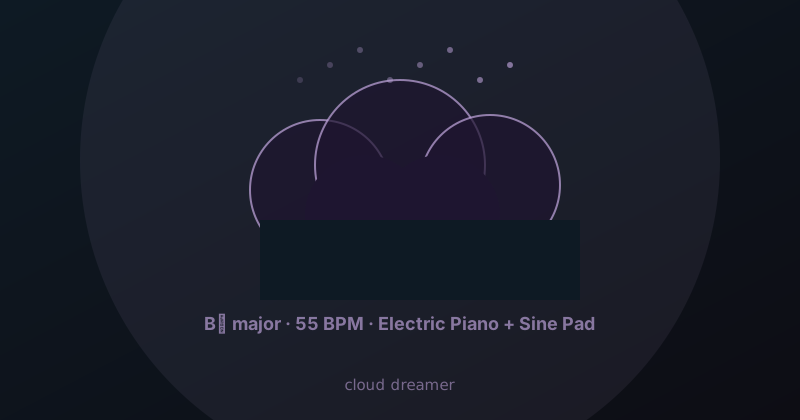
Cloud Dreamer: Why Bb Major Sounds Different from C Major
Key color — the idea that different keys have different emotional characters — is both real and contested. Here's what Bb major does that C major can't, and why Cloud Dreamer needed it.
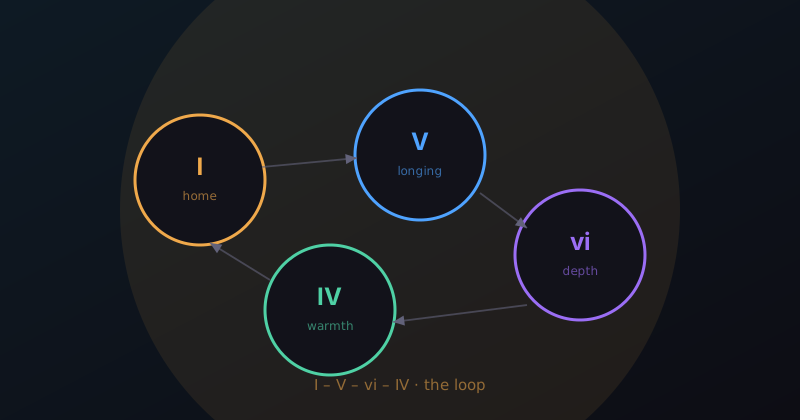
Why I–V–vi–IV Never Gets Old: The Harmony Behind New Age Piano
The I–V–vi–IV chord progression appears in thousands of pop songs and nearly every New Age piano piece — there's a neurological reason it works so well.
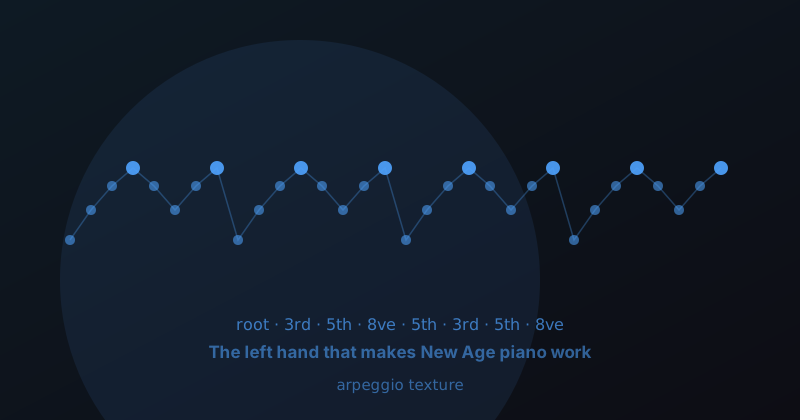
The Arpeggio as Meditation: Why the Left Hand Makes New Age Piano Work
In Kiraro's music, the right hand sings and the left hand breathes. The arpeggio pattern — root, third, fifth, octave — is not decoration. It's the reason the music feels the way it does.
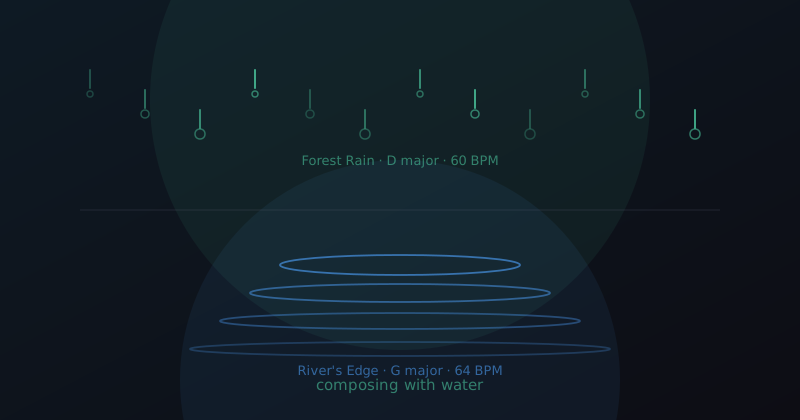
Forest Rain and River's Edge: Composing with Water in Mind
Two pieces in the New Age collection use water as a compositional model — one for rain, one for a river. They share an arpeggio texture but feel completely different. Here's why.
Twilight Garden: The Anatomy of One Compositional Gesture
Bar 5 of Twilight Garden contains a single leap from F4 to F5 — one octave up. That moment is the entire piece. Here's why a single gesture can carry a whole composition.
New Age Piano: The Japanese Tradition from Hiroshi Yoshimura to Kiraro
Japan developed one of the world's most distinctive New Age piano traditions — introspective, nature-obsessed, and technically humble in the best possible way. Here's where it came from.
Crystal Morning: Composing a Kiraro-Style Piano Piece from Scratch
A walk through every compositional decision in Crystal Morning — from key selection to the peak moment at G5, and why the piece ends on a held C instead of a cadential figure.
Starfield: Writing New Age Music for Synthesizers
Most New Age piano uses acoustic instruments. Starfield uses a synth-lead and sustained strings. Here's why, and what changes when you remove the piano from the centre of the texture.
Rhythmic Auditory Stimulation: Music as a Motor Rehabilitation Tool
RAS is one of the most rigorously studied music therapy techniques, with documented effects on Parkinson's gait, stroke rehabilitation, and TBI recovery. Here's how it works and why.
Écoutez ce dont parlent ces articles
Chaque technique présentée ici est en ligne sur le marketplace — états adaptatifs, brouillons IA, vrais instruments échantillonnés, démos jouables.
Parcourir les partitions